

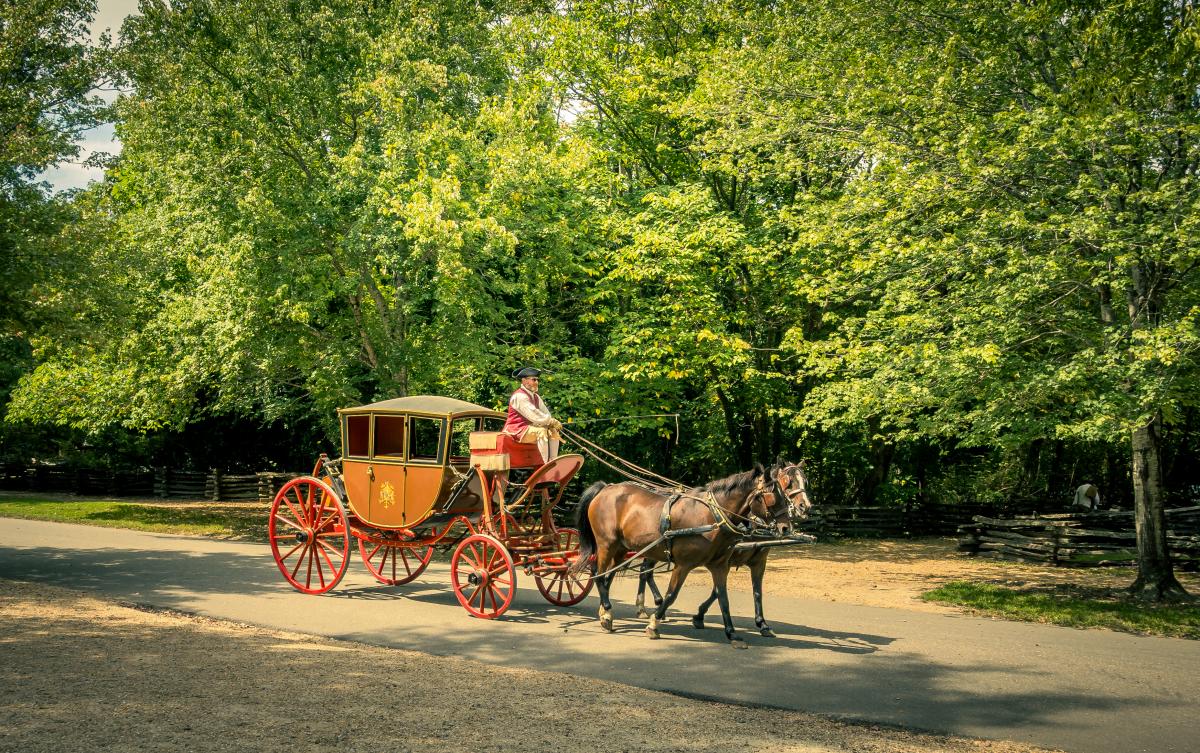
Some places are built for adventure, and some are built for history. Colonial Williamsburg is rare because it gives you both. Horse-drawn carriages rolling down cobblestone streets, crackling fires inside taverns, and reenactors who are extremely committed to pretending electricity hasn’t been invented.
For Houston, this was basically Disneyland with powdered wigs.
Stepping Into the 18th Century
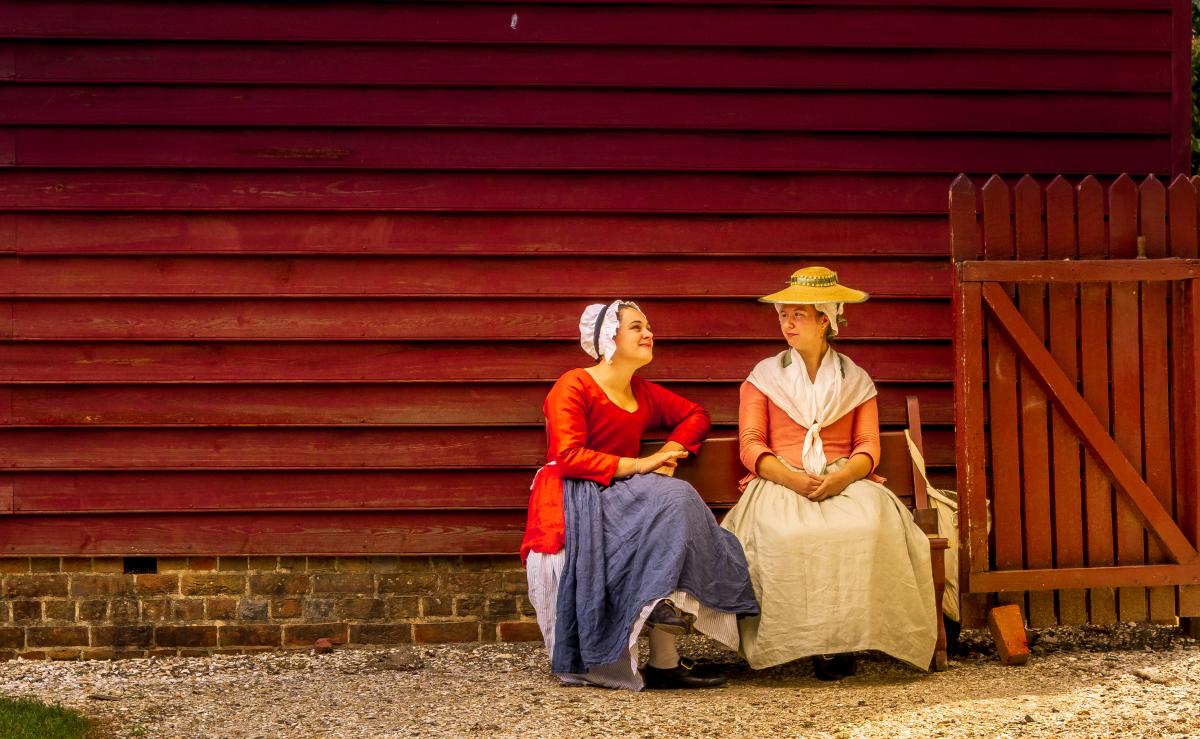
Colonial Williamsburg is one of the largest and most immersive living-history destinations in the world. Spanning more than 300 acres, this remarkable site transports visitors straight into the heart of the 18th century. Here, shopkeepers, tradespeople, soldiers, and townsfolk reenact daily life during the era of the American Revolution.
With its meticulously restored buildings, engaging interpreters, and hands-on activities, Williamsburg is a must-visit for anyone who wants to step directly into America’s past. And, no trip to Williamsburg is complete without a little colonial fashion. When Houston tried on a tri-corner hat, the entire day transformed.
A Founding Father Moment
He put it on. Looked in the mirror. And instantly became a founding father.
“Are you ready?” I asked. Houston paused, took a deep breath, adjusted his hat and his camera strap, and declared: “I was born ready.”
And off we went. He struck poses. He saluted random strangers. Every reenactor we passed gave him approving nods. One even whispered, “Fine hat, sir,” and Houston beamed like he had just won the Revolutionary War.
The main thoroughfare of Colonial Williamsburg, Duke of Gloucester Street, is lined with historic homes, shops, taverns, and public buildings. Walking here feels like stepping into another century.
Secrets, Soldiers, and Supper with History
Williamsburg showcases how people lived and worked during the 1700s. Two of the most iconic buildings in the city are the Capitol, where colonial lawmakers met, and the Governor’s Palace, the elegant residence of Virginia’s royal governors. While most people visit Williamsburg to learn about America’s beginnings, we got something extra: a private tour of the town’s darker, more mysterious history. And let me tell you—Houston was delighted. Any tour that starts in the cemetery where Martha Washington’s first husband is buried is bound to be good.
Our guide led us behind the cheerful colonial façade and into stories of pirates, punishment, mischief, and mayhem. Houston hung onto every tale about public dunkings, rogue governors, and scandalous tavern gossip.
There is something about history coming alive that grabs Houston in a way textbooks never could. He loved hearing the real, gritty, messy parts—not just the polished versions.
We grabbed a quick lunch at Raven’s Bakery and ate at the picnic table area. Between bites of his turkey and cheese sandwich, Houston snapped photos of horse-drawn carriages and costumed reenactors as they went up and down the street. We split a homemade orange-cranberry muffin for dessert.
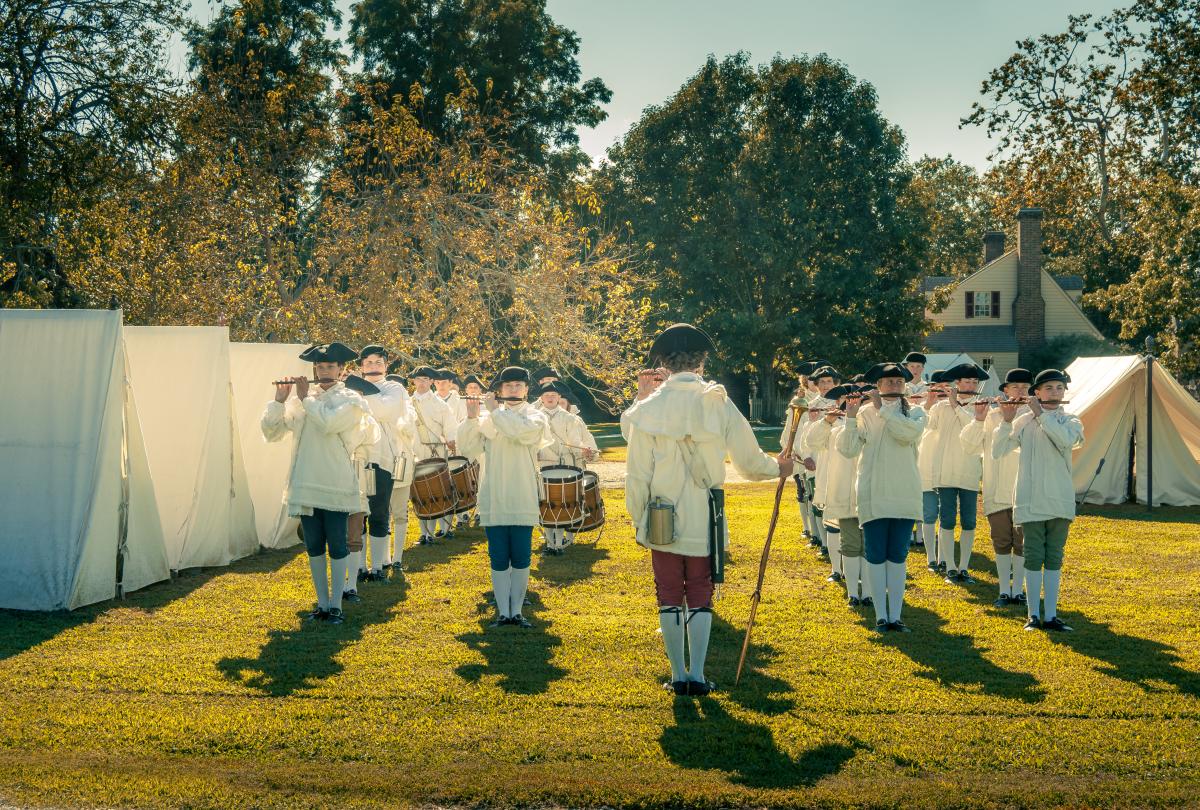
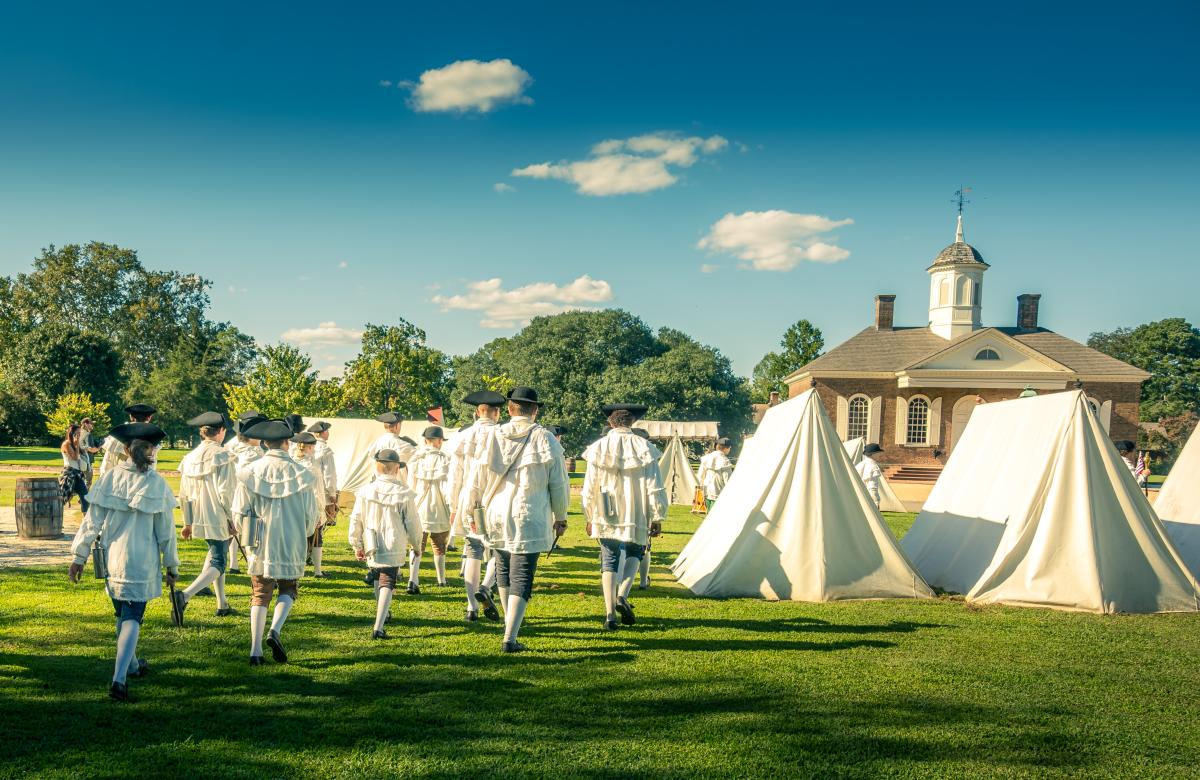
At the military encampment across the street, costumed soldiers demonstrated the daily routines of 18th-century armies. There was a musket demonstration, where they showed us how colonial firearms were loaded, fired, and maintained. Houston loved the drums, fifes, and uniforms. He took his camera around to photograph the events, people, and locations that shaped the Revolution.
After a day full of secrets and stories, it was time for something equally important: dinner. And not just any dinner, but dinner at the historic place where GEORGE WASHINGTON HIMSELF regularly dined: Chritiana Campbell’s Tavern.
Inside, the tavern flickered with candlelight, and musicians played period instruments. Our server explained that the larger the napkin around your neck, the wealthier you were thought to be. Our napkins were huge, so we dutifully tied them on and instantly felt richer.
As we were seated, our server brought baskets full of delicious homemade breads. She served us each an oyster that perched on a plate of salt and was topped with a fresh, edible flower, “Compliments of the chef.”
For dinner, Houston, of course, ordered fried chicken. I had the seafood pye. We split a salad with figs, tomatoes, and fresh greens. We topped off our meal by splitting a large piece of heavenly apple pie made with puff pastry crust.
As he ate, he kept glancing around, taking it all in. At one point, we whispered, “Just think, George Washington sat in a chair in here… like this chair, maybe right here?” Maybe, possibly, who knows?
Colonial Williamsburg offers an unforgettable opportunity. Whether you’re exploring political halls, chatting with artisans, watching soldiers march off to battle, or simply strolling its shaded streets, Williamsburg invites you to experience American history not just as a story, but as a living, breathing world.
For us, Williamsburg wasn’t just a trip back in time; it was full of wonder, learning, and fun.
For Houston, it was proof that adventure doesn’t always mean roller coasters or long flights. Sometimes it’s stories, secrets, and stepping into a world where tri-cornered hats reign supreme.