

Williamsburg’s museums invite you to explore the full, honest, and inclusive story of Virginia’s history. Discover the exhibits and special events that celebrate African American contributions to colonial Virginia and American life today.
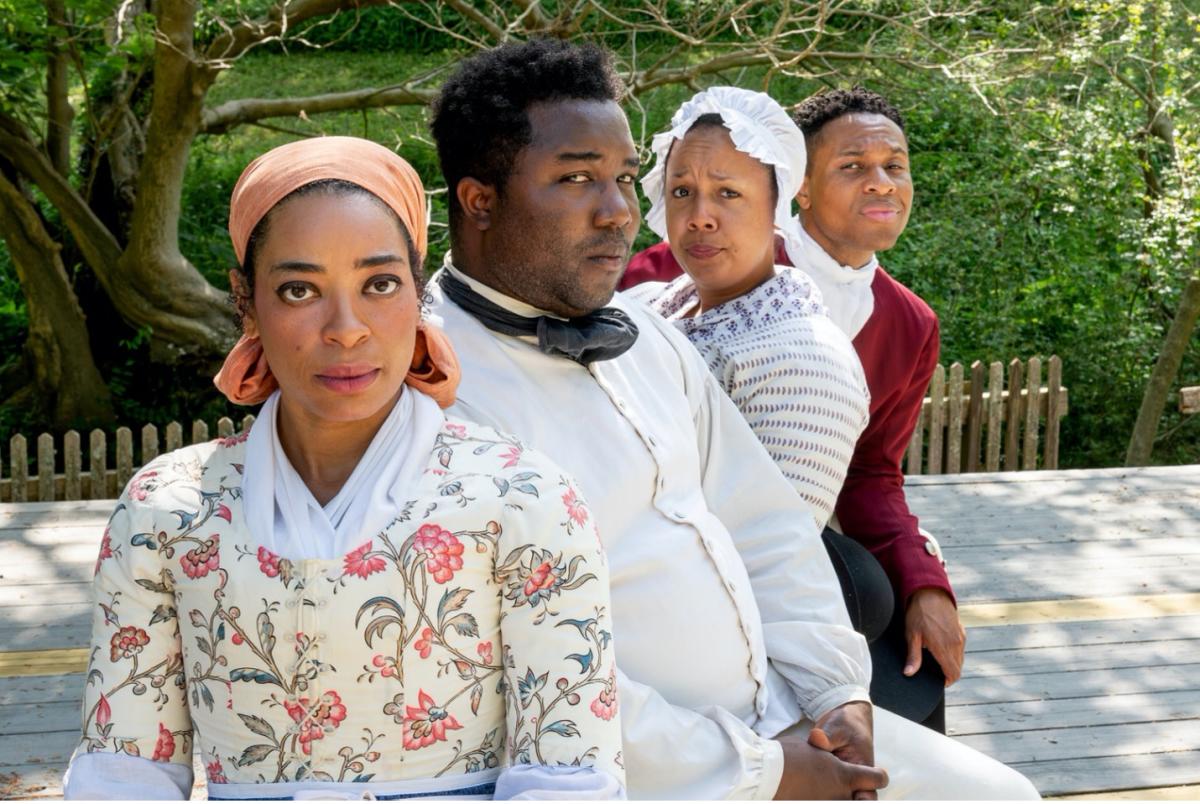
Engage with Living History
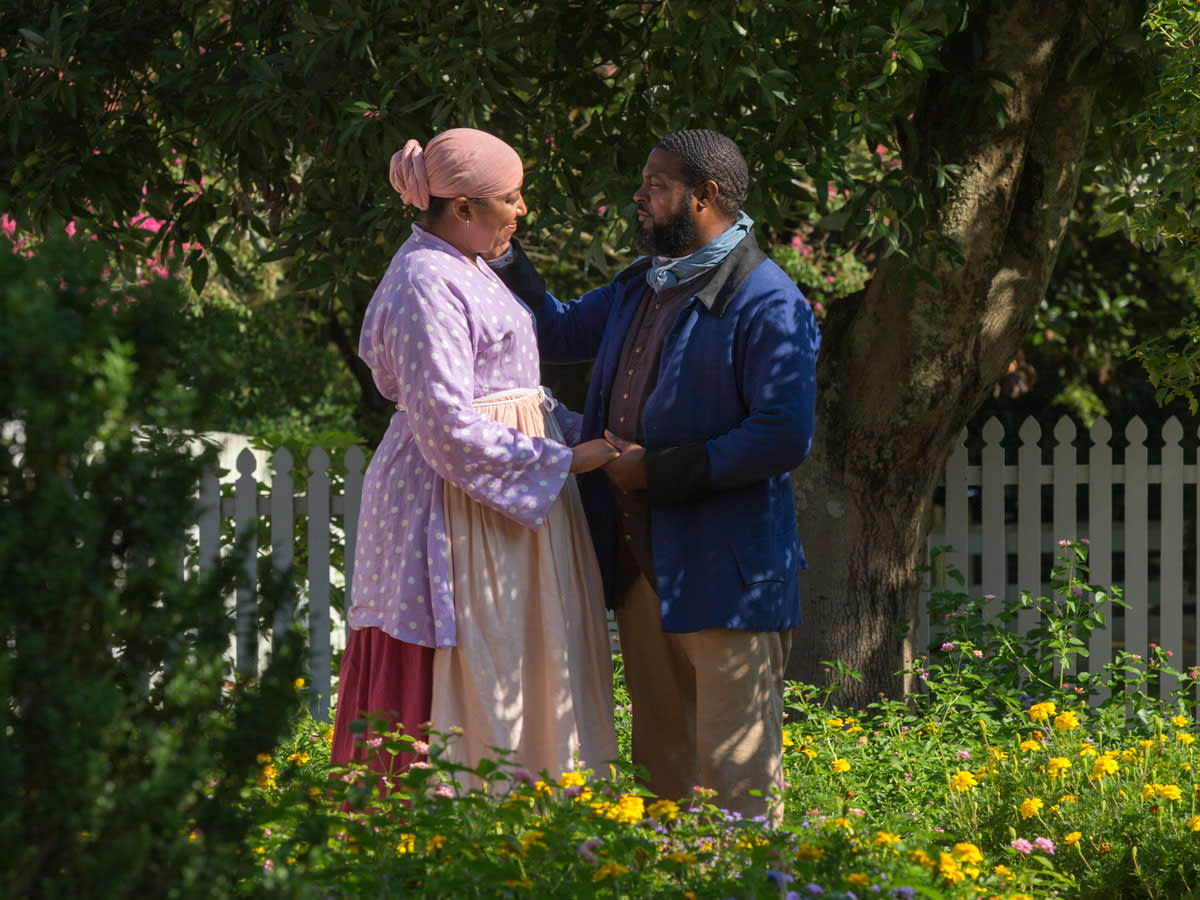
Experience living history with Colonial Williamsburg’s year-round interpretation programs, which illuminate the real stories of enslaved and free Black people of the 18th century. Through the Nation Builder’s program, speak directly with costumed historians who embody the characters of early Virginians. The Nation Builders use their historical knowledge and in-depth understanding of their character to allow guests a unique way to interact with history.
Take the Freedom’s Paradox tour and walk through Randolph Yard, Market Square, and the Palace Green as you uncover the powerful and challenging history of America’s dependence on slavery during the revolutionary era. The juxtaposition of establishing American independence while defining the institution of slavery is examined through the eyes of free and enslaved members of the Randolph Household. You can also visit the historic Peyton Randolph House, where 27 enslaved people lived alongside the Randolph family.
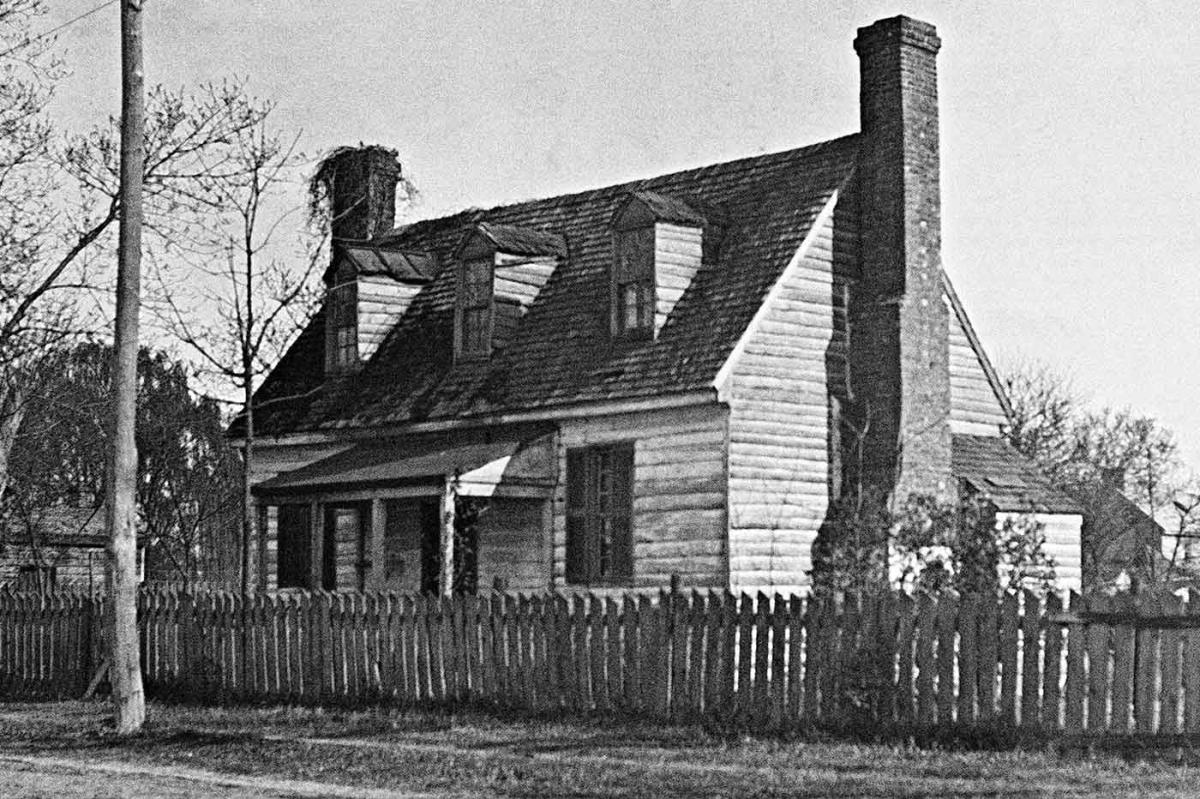
Colonial Williamsburg is also home to the 🔺Williamsburg Bray School, one of the earliest institutions devoted to educating Black children in North America. Dating back to 1760, the school taught reading, Anglican doctrine, and, for girls, sewing. Yet its mission was deeply flawed: it sought to persuade enslaved children that their bondage was divinely ordained. Visiting the Bray School is free for all visitors.
Dive Deep Into Permanent Exhibits
Discover the complex history of early Virginia at Jamestown Settlement, where interactive exhibits and dramatic films bring to life the convergence of Native American, English, and West Central African cultures in the 17th century. Watch the film “1607: A Nation Takes Root” that chronicles the arrival of the Virginia Company, interactions with native people, and the arrival of the first Africans in 1619.
Period artifacts and expansive exhibits frame the story of the first Africans, with information on their life in Ndongo (Angola), life in the Virginia colony, development of the transatlantic slave trade, and the evolution of a new African American culture.
African American contributions to the American Revolution are often overlooked, but the American Revolution Museum at Yorktown brings this important history to light. Learn about the diverse American experience during this time, including the perspective of patriots and loyalists, women, and free and enslaved African Americans. For example, Billy Flora was an enslaved man who successfully spied on the British during the revolution, and his story is told in the museum’s film “Liberty Fever.”
Also in Yorktown, the York County Historical Museum includes exhibits covering African American life and history through different eras. Admission is free.
Honor Black History with Special Exhibits & Events
Visit Jamestown Settlement in February and March to see the Black Artist Showcase, held in celebration of Black History Month but extending through March 29, 2026. This exhibit pairs contemporary art and 17th-century history to connect past and present. Virginia artists showcase their perspectives through various mediums to explore the theme of “Raise Your Voices: Sounds of Protest.” Additional programs include After Angelo, honoring the legacy of one of the first African women mentioned by name in the historical record at Jamestown, and the “Give Me Liberty” signature exhibition. The Black Artist Showcase is included with admission to Jamestown Settlement.
Also in February, the Virginia Black Film Festival returns to Williamsburg for its third year, celebrating “Black Excellence: Past, Present & Future” during Black History Month. The star-studded event features award-winning films, panels, networking, and honors Lifetime Achievement recipient Keith David. Previous celebrity guests have included Clifton Powell, Tim Reid, BK Fulton, Jesse Vaughan, and Kemba Smith.
Participate in History Unfolding
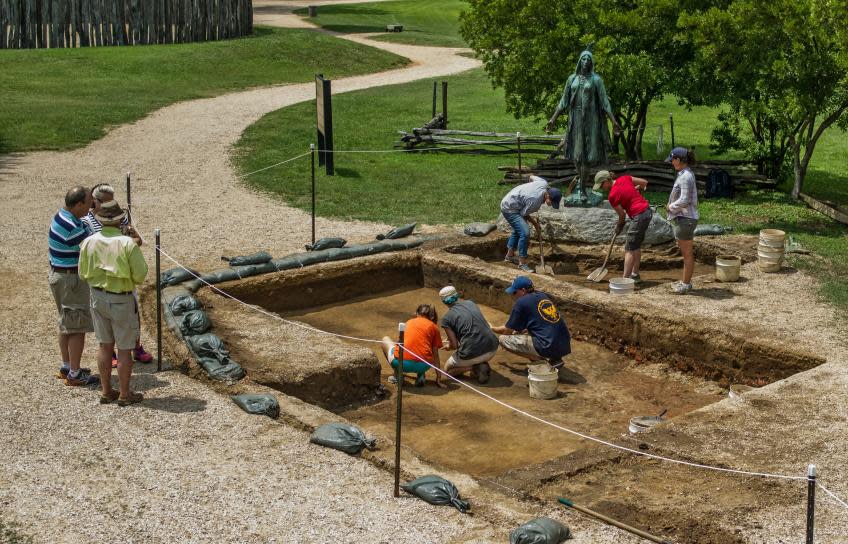
Unearth Black history at Colonial Williamsburg through the archaeological investigation of a historic church founded by free and enslaved African Americans in the late 18th century. The Historic First Baptist Church of Williamsburg was first established in 1776 and represents one of the country’s oldest Christian congregations formed by African Americans. The historic site, which can be viewed by Colonial Williamsburg visitors, reveals how Black residents historically lived, worked, and worshipped.
Celebrate Black Art, Music & Culture
Wander through the Virginia Musical Museum and admire the contributions of Virginia natives to the world of music, including many notable African American musicians. The collection features personal items, pictures, and histories of famous Virginia natives such as Ella Fitzgerald, Clarence Clemmons, Sissieretta Jones, Pearl Baily, The Five Keys, Ruth Brown, and Pharrell Williams.
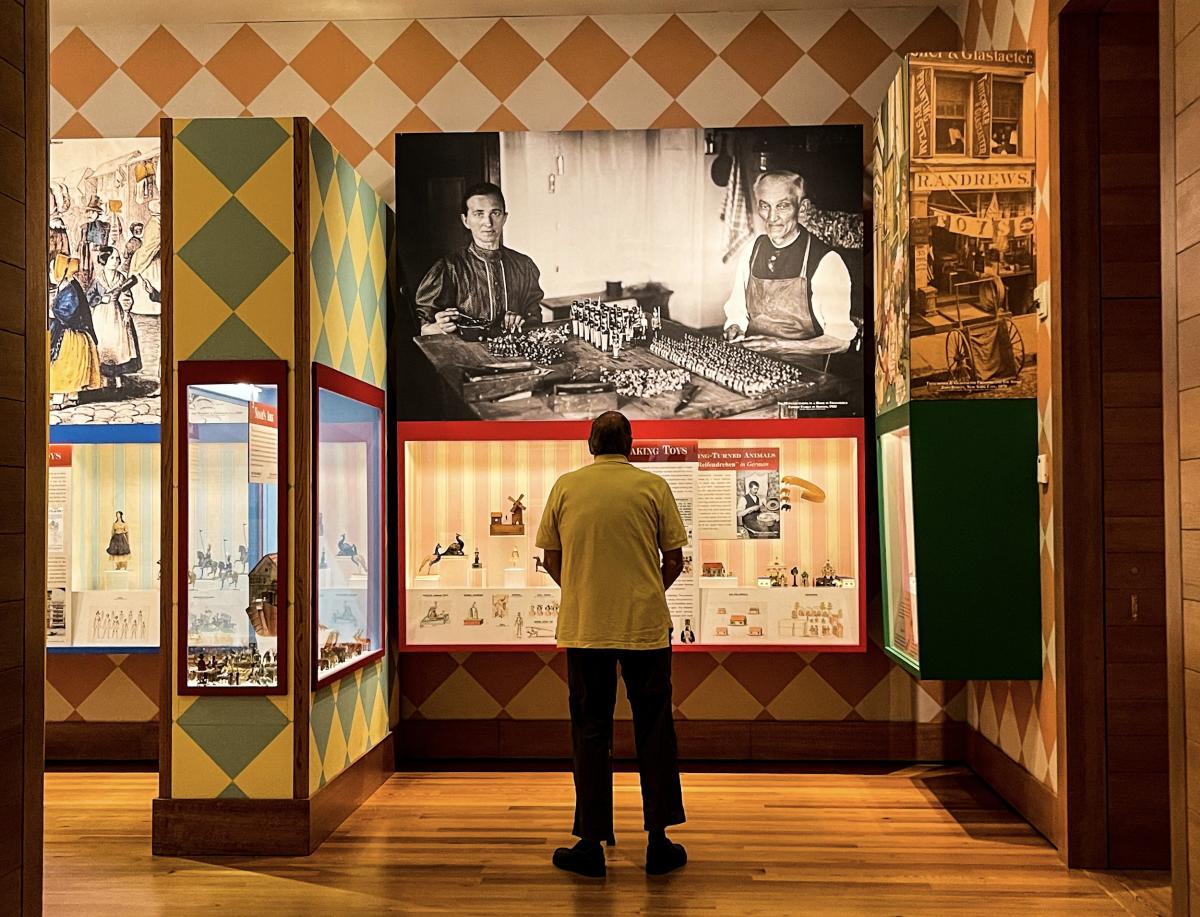
Visit the Art Museums of Colonial Williamsburg to experience “I Made This…,” an exhibit in the Miodrag and Elizabeth Ridgely Blagojevich Gallery that celebrates the lives of Black American artisans from the 18th century through the 20th centuries through the material culture they produced. The title is drawn from a quote by David Drake, a 19th-century enslaved potter who inscribed the words on one of his vessels in defiance of laws that forbade enslaved people from learning to read and write.
Explore More Black History & Heritage
Learn more about unearthing the history of Black life and achievement in Williamsburg, and see how Black history is being preserved here. Plus, see our Guide to Black-Owned Businesses in Williamsburg, covering everything from restaurants to family-friendly entertainment.