

Early Inspiration: European Style
Back to Top of List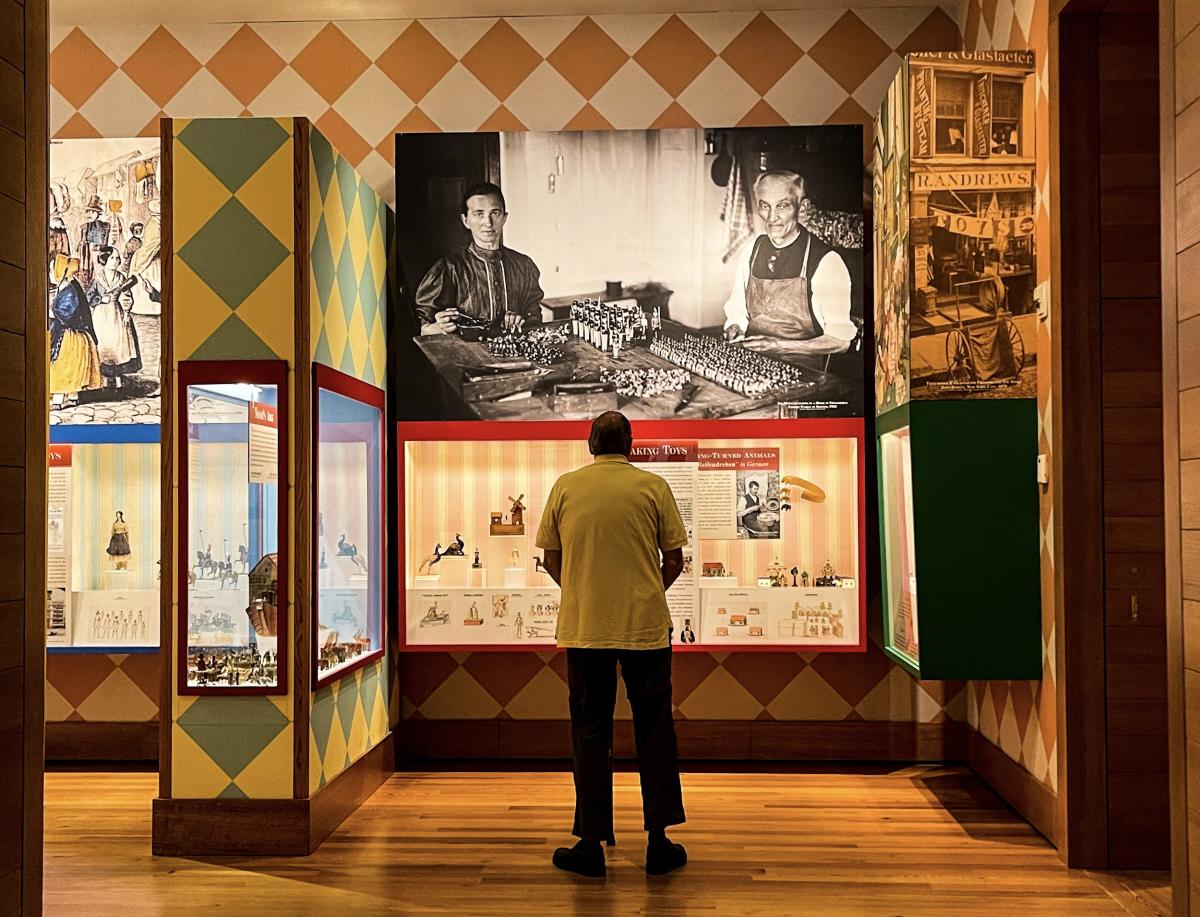
Nothing signaled wealth quite like extravagant fashion. In 18th-century Europe, clothing was a statement of wealth, status, and social standing. British court fashion showcased intricate construction techniques, fine materials and fabrics, and expensive dyes that transformed garments into symbols of prestige — ensuring head-turning grand entrances. This was the prevailing aspirational style in Williamsburg until the Revolution drew closer.
Where to Get a Closer Look
Today, you can see these styles up close in Williamsburg. One woman’s passion for understanding the changing world of fashion led to one of the greatest private collections of early textiles in the United States. Highlights are displayed in the exhibit Elegance, Taste, and Style: The Mary D. Doering Fashion Collection at the 🔺 Art Museums of Colonial Williamsburg. Admire women’s and men’s clothing from the 18th and 19th century, including elegant gowns, fine shoes, and other formal accessories.
Ready to dress the part? Visit Tarpley, Thompson and Company Store, where you can outfit the whole family in clothing made in Colonial Williamsburg, from coats, waistcoats, and breeches to petticoats, short gowns, and cloaks. Complete your look with a pair of mitts or a straw hat.
Fashion Finds a Revolutionary Spirit
Back to Top of List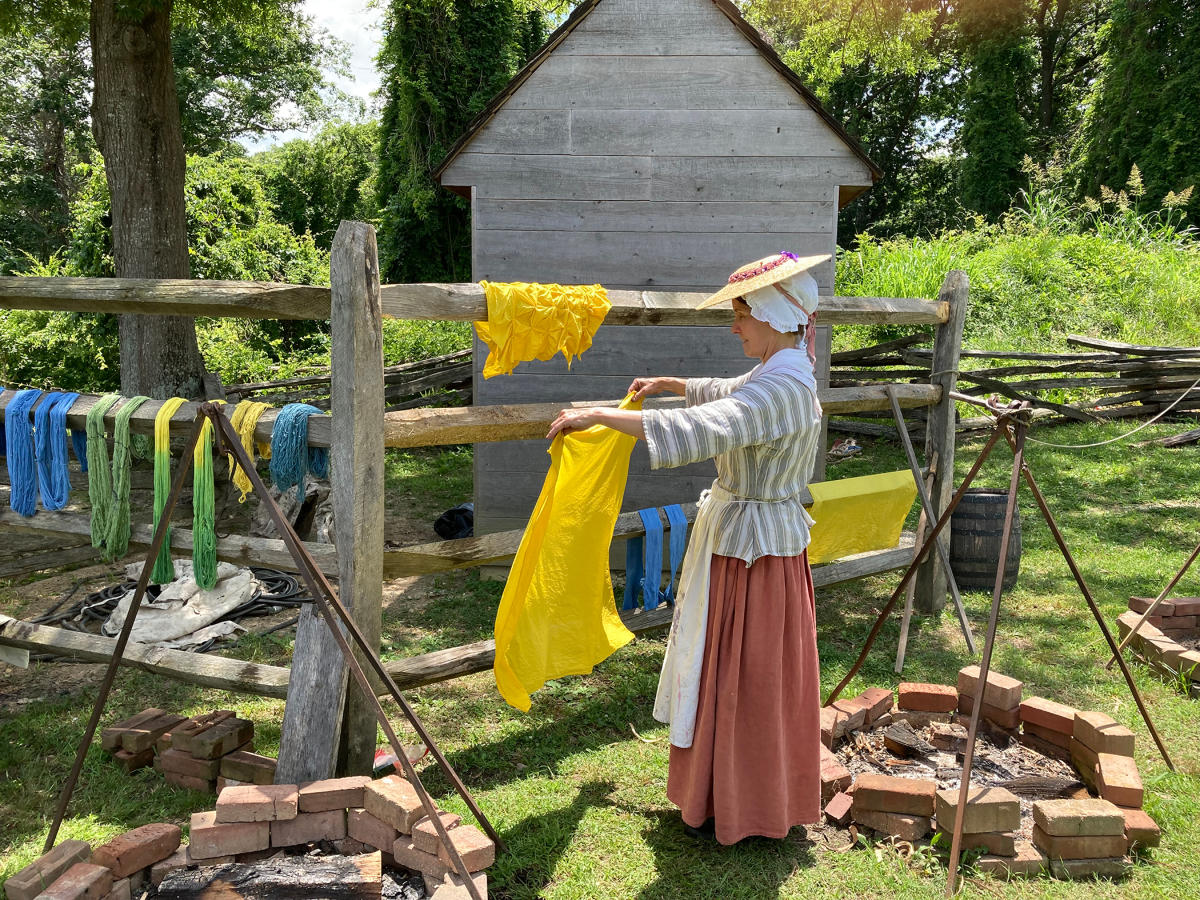
As tensions with Britain grew, fashion began to take on a new meaning and clothing styles changed. For some, what they wore became a way to express resistance to British policies and support for American-made goods.
Instead of lavish materials like silk and velvet and other imported fabrics associated with British court fashion, patriots and revolutionaries began to use locally grown and produced materials such as wool, linen, and cotton. Spinning, weaving, and sewing, which were everyday skills, became visible expressions of self-reliance and resistance.
Where to Get a Closer Look
See how clothing was made at the 🔺 American Revolution Museum at Yorktown. In the outdoor living history areas, discover how families grew cotton and raised sheep for wool, then witness cotton processing and dyeing demonstrations at the Revolution-era farm. Throughout the museum, chat with historical interpreters dressed in period-accurate clothing to hear more about the styles, fabrics, and fashions worn in the colonies — and what it represented.
You can also meet the stars behind one of the era’s most important natural fibers. At Colonial Williamsburg’s Sheep Pasture, come face-to-face with Leicester Longwool sheep, a now-rare breed that was raised for its wool during the Revolutionary era.
American Craftsmanship Takes Center Stage
Back to Top of List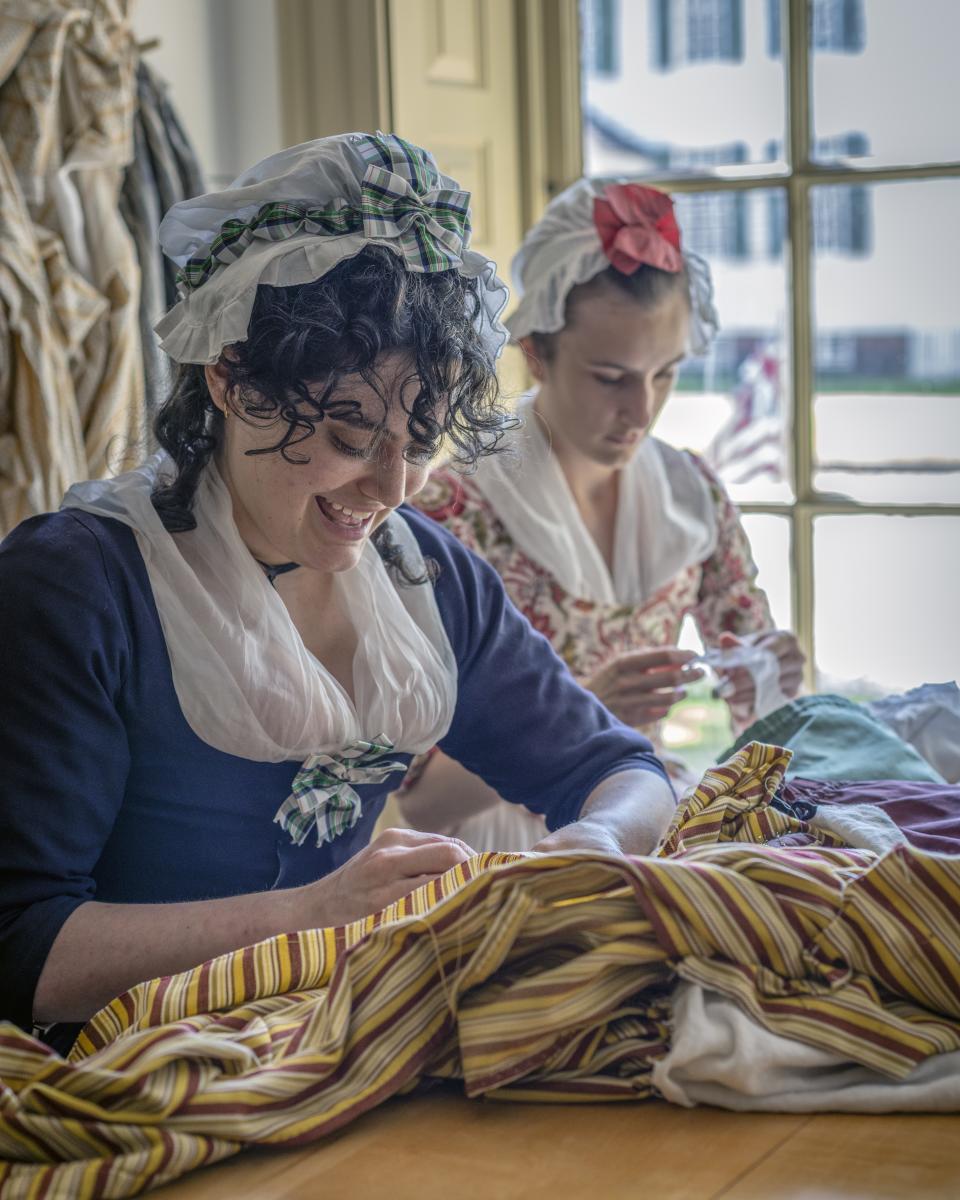
As the homespun movement grew, American artisans became essential to producing the clothing and supplies needed during the Revolution. The spinners, weavers, and tailors transformed locally sourced materials into everyday clothes, military uniforms, tents, and tarps for militia forces. Women also gathered in taverns and coffeeshops for hours-long “spinning bees,” turning the work into a communal effort that supported the movement to produce goods at home.
Much of this effort was also shaped by the skills and labor of enslaved people. They worked for families in colonial households and workshops, contributing greatly to the production of textiles, clothing, and essential goods.
Where to Get a Closer Look
At the American Revolution Museum at Yorktown, explore exhibits, programs, and films that examine African American culture and heritage during the Revolutionary era. Uncover the contributions of both enslaved and free Black men and women on the Patriot and Loyalist sides, learn about the roles they played, and see historical militia uniforms.
Through January 31, 2027, see what everyday life was like in revolutionary Virginia, including what people wore, in Give Me Liberty: Virginia & the Forging of a Nation, the museum’s VA250 Signature Exhibition commemorating America’s 250th anniversary.
These stories continue beyond museum walls at Colonial Williamsburg, where you can witness American craftsmanship through historic trades and skills demonstrations at the shops of the 🔺 Milliner and Mantua-Maker (hat maker and dress maker), the Weaver, and the Tailor. Then, tour preserved buildings like Charlton’s Coffeehouse and Raleigh Tavern, where activities like spinning bees brought women together to work and support the homespun movement.
See mid 1700s fashion through the eyes of a young girl with the Felicity-inspired itinerary. The story of American Girl doll Felicity Merriman is set in revolutionary Williamsburg, and the itinerary guides you to many fashionable places around town.
If you’re eager to try your hand at creating 18th-century clothing after learning about the history behind it, check out Burnley & Trowbridge Company’s unique Historical Fashion Workshop Series, where you can join sewists of all skill levels to create your own period-accurate garment.
More Styles to Explore in Williamsburg
Back to Top of List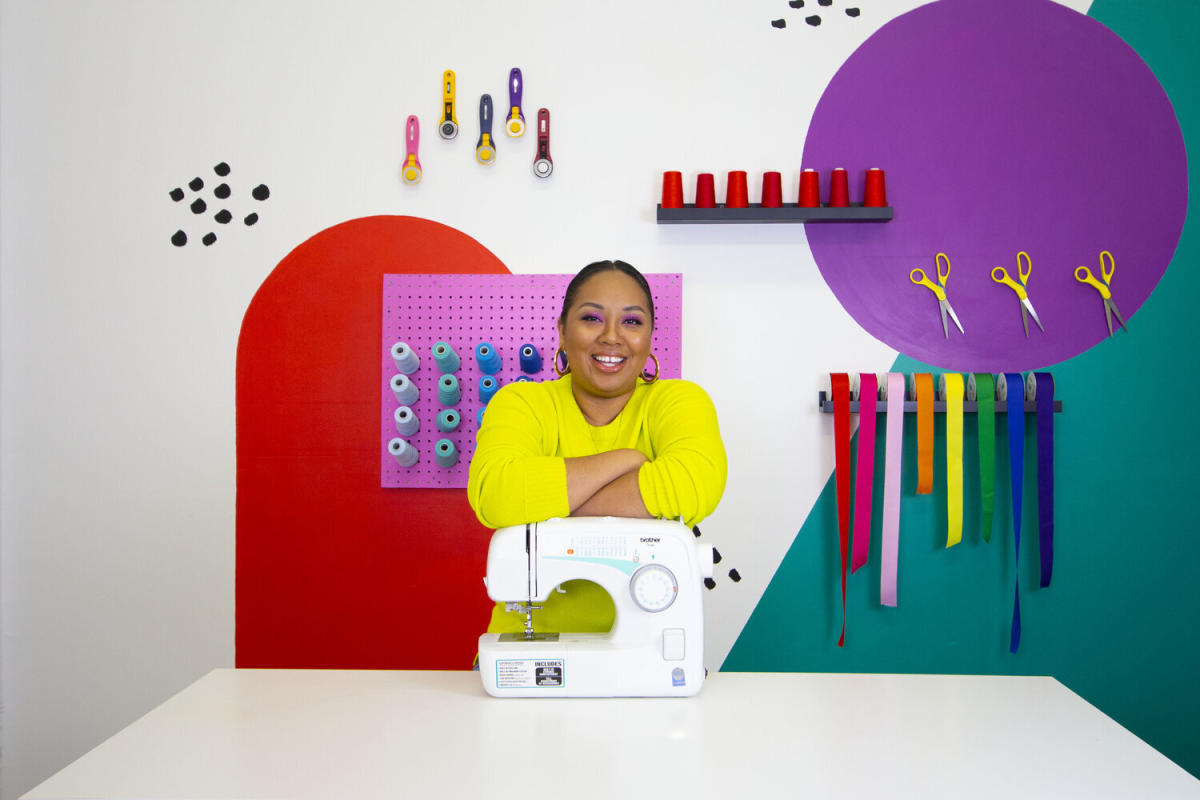
The story of American fashion didn’t end with the Revolution. Visit Williamsburg today and see how makers and local shop owners put their own spin on current styles. Stop by 🔺 Tabitha Sewer Studio to see how a modern designer draws inspiration. Then keep exploring Williamsburg to discover more shopping spots, from outlets to boutiques.