

Williamsburg takes pride in welcoming people of all abilities to experience America’s earliest chapters. From enriching historical exhibits to immersive living history attractions to family-friendly thrills, it’s possible to experience Williamsburg in a way that’s less overwhelming but equally fun and memorable.
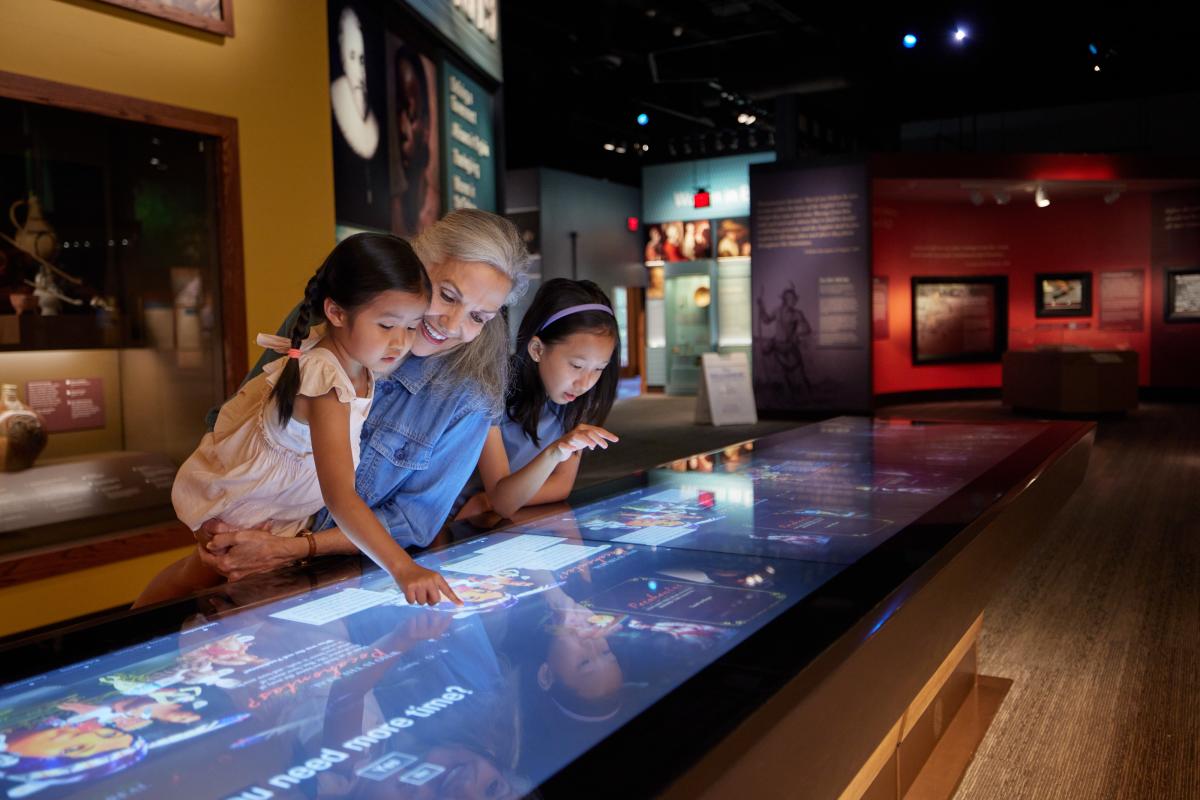
Here are our top picks for sensory-friendly experiences in Williamsburg and the Historic Triangle.
Sensory-Friendly Colonial Williamsburg
The beating heart of the Williamsburg experience, Colonial Williamsburg is the world’s largest living history museum — an immersive, largely open-air encounter where you can see, hear, and touch Virginia’s capital city as it was in the early 18th century, on the cusp of revolution. Better still: it’s spread out over 301 acres, which gives visitors with Sensory Processing Disorders (SPDs) plenty of space to explore on their own terms.
Colonial Williamsburg offers an indispensable Accessibility Guide, which provides details on wheelchair accessibility along with common sensory triggers — including noise, light, and surprise — for each part of the Historic Area. Sites that are particularly sensory friendly include the bookbinder, farming exhibit, public goal (jail), Raleigh Tavern, Peyton Randolph House, and Prentis Store.
Of course, everyone’s different! We recommend using the lowest-sensory areas listed above as a starting point for your exploration, and letting comfort levels drive the day. Pro tip: the dining areas do tend to get a bit more crowded depending on the day and season; you may want to choose one of the tasty Grab & Go options and take your meal outside to a quiet, shady spot.
Sensory-Friendly Historic Jamestowne
Historic Jamestowne is the original site of the first permanent English settlement in North America, founded in 1607 by the Virginia Company of London. The 1,500+-acre island settlement and its main attraction, James Fort, are largely outdoors, offering a quieter, less-stimulating experience than many other popular tourist attractions. It’s a peaceful environment in which to follow in the footsteps of John Smith and Pocahontas.
Parties with sensory-challenged members may want to start with a self-guided walking tour of New Towne, which includes tranquil river views as well as the ruins of the Ambler Mansion, Historic Tower, and Memorial Church; this will give your group a comforting sense of the area and spark confidence for further exploration. Historic Jamestowne also includes active archaeological dig sites; your party may enjoy watching the ongoing excavation of the original James Fort and its fascinating artifacts.
What’s more, Historic Jamestowne is operated through a public/private partnership with the National Park Service, which offers a Junior Ranger program open to people of all ages and abilities. Pick up an activity booklet at the Visitor Center on your way in; with about two hours of educational exploring, most visitors are able to complete the fun, family-friendly tasks required to earn a Historic Jamestowne Junior Ranger badge.
Sensory-Friendly Jamestown Settlement
The perfect complement to your Historic Jamestowne visit, the nearby Jamestown Settlement is an immersive museum further illuminating the history and culture of America’s earliest days — including the experiences of the English settlers, the Native Americans who have occupied the area for centuries, and the circumstances of the first recorded Africans in Virginia.
The Settlement’s Accessibility Guidelines note that crowds and light levels will vary within the attraction’s museums and theaters, and some films may feature special effects like flashing lights and loud sounds. However, like the first two sites discussed, much of the experience is open-air, with the option to adjourn to a quieter area if needed! Your group may enjoy exploring life-sized recreations of a 1610 fort, the Powhatan chieftain’s Paspahegh Town, and merchant ships that carried settlers to Jamestown.
Sensory-Friendly American Revolution Museum at Yorktown
Continue your educational adventure at the American Revolution Museum at Yorktown, which traces the narrative of our nascent nation from the twilight of the colonial period to the dawn of the Constitution and beyond. As with Jamestown, the indoor museum and its dramatic films may present a more unpredictable environment — but there is much to discover at one’s own pace throughout Yorktown’s outdoor areas.
Visit a recreated Continental Army encampment to unveil the life of a soldier, including daily camp life, cooking, medical treatment, and (if appropriate) the firing of a flintlock musket. Or, explore a Revolution-era farm, based on a real-life family, to help with chores in the kitchen, tobacco barn, and vegetable gardens. To avoid being startled by musket fire, we suggest speaking with one of the costumed docents as you enter the area.
Sensory-Friendly Busch Gardens® Williamsburg
Busch Gardens® Williamsburg — voted World’s Most Beautiful Amusement Park every year since 1990 — is a European-themed adventure park offering 50+ rides, animal encounters, themed character attractions, family-friendly stage shows, and kid-focused areas like Sesame Street Forest of Fun. While the action is spread out over 130 scenic wooded acres, the park does get very busy on weekends and throughout the summer.
For guests with SPDs, it may be helpful to plan your visit on a weekday during shoulder season: either April through May or late September through early November. During these windows, you’ll find ideal weather, smaller crowds, and potentially fall foliage! If you feel rides will be overwhelming for members of your group, consider arranging an unforgettable animal encounter with animals ranging from Clydesdales and Highland cattle to gray wolves, red foxes, birds of prey, and other furry, feathery, and scaly friends.
Interested in the rides, but not sure if they’re appropriate for your group? Busch Gardens® Williamsburg offers a Ride Accessibility Program (RAP) which enables you to bypass physical lines and can also help you determine whether a ride is appropriate for members of your group. Be sure to review the park’s Accessibility Guide prior to your visit. Then, when you arrive, visit the Guest Relations center to enroll in RAP, pick up your RAP sheet, and learn more about the program’s policies and privileges.
Accessible Williamsburg
See Williamsburg’s Accessibility page for more information and resources.