

The major motion picture “Young Washington” was released at the peak of America’s 250th anniversary year, offering a window into the remarkable early life of America’s first president and Virginia-born founding father, George Washington. Depicting Washington’s military ventures when he was only in his 20s during the French and Indian War, “Young Washington” offers a coming-of-age tale that also reflects on America’s origin story.
While most of the movie takes place in western Pennsylvania and other locations around Virginia, some pivotal scenes happen in Williamsburg. In the colonial capital of Williamsburg, the future general navigates intense political environments before the Revolutionary War.
Visit real places from the hit movie and discover where you can walk in Washington’s footsteps across the Historic Triangle.

Explore Places from “Young Washington” in Williamsburg
Key scenes from the movie take place in Colonial Williamsburg, where a young George Washington (played by William Franklyn-Miller) meets with colonial Virginia governor Robert Dinwiddie (played by Ben Kingsley) at the 🔺Governor’s Palace.
In his initial visits, an ambitious Washington seeks military appointments to launch his career. The governor appoints 21-year-old Washington to deliver an ultimatum to French forces, sparking the French and Indian War. Washington later returns to Williamsburg to report on the fighting and negotiate for troops, supplies, and funds to defend the colony.
Today, the meticulously reconstructed Governor’s Palace stands as a relic of British colonial power and prestige, full of opulent 18th-century decor, authentic period pieces, and sprawling gardens. Explore top things to see at the iconic Governor’s Palace.
You can also walk the streets of Colonial Williamsburg, as Washington often did in the 1700s. The well-preserved 18th-century town features 89 original buildings across 300+ acres. To stroll down Duke of Gloucester Street, the main thoroughfare, is to step into Washington’s world.
A "Young Washington” sequel is already in the works, so audiences will be able to see how the seeds planted during Washington’s early years led to his epic role as commander-in-chief of the Continental Army during the American Revolution. Stay tuned!
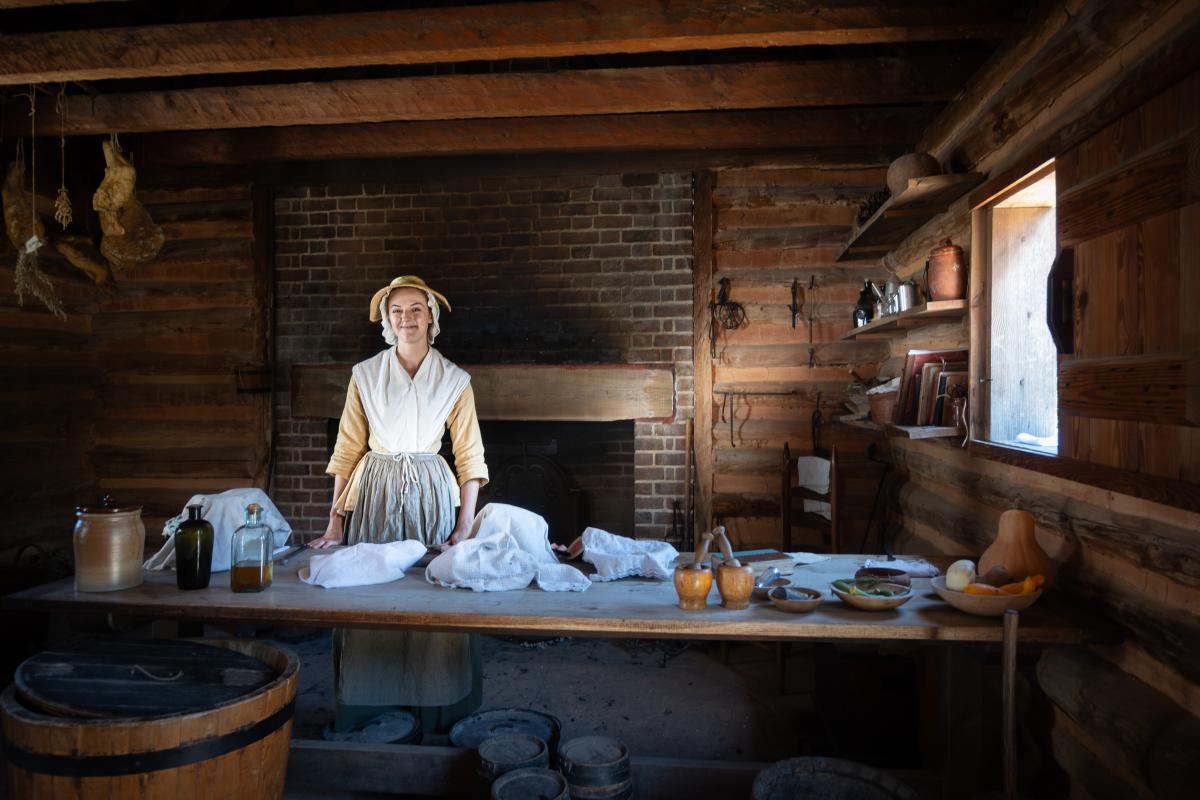
Trace Washington’s Journey in Williamsburg & Yorktown
Fast-forwarding beyond his formative years, you can discover much more about George Washington’s life by visiting Williamsburg. Washington had a deep, lifelong connection to the city, from his days as a young military officer to his transformation into a politician, legislator, revolutionary leader, and American icon.
The Capitol Building
After his early military ventures, Washington moved to his Mount Vernon plantation, became a tobacco farmer, and was elected to the House of Burgesses, part of the representative governing body known as the Virginia General Assembly. He regularly visited Williamsburg to attend legislative sessions at the Capitol building at the end of Duke of Gloucester Street.
Historic Taverns
In Williamsburg’s colonial taverns, Washington mingled with political leaders, sharing food and drinks, exchanging ideas, and taking part in conversations that shaped the future of the colony and the nation. Washington was especially fond of the seafood at Christiana Campbell’s Tavern, where the menu today features colonial-era favorites like crab cakes and seafood pye, drawing from real 18th-century recipes. Raleigh Tavern was one of the most popular taverns of the day, and while it no longer operates as a tavern, you can still tour the storied site.
House of Worship
George Washington attended services at Bruton Parish Church during his visits to Williamsburg. Today, you can stand in the 350-year-old church, the same sacred space where Washington and other patriots of the founding era once worshipped.
Wythe House War Headquarters
General Washington used Williamsburg as his staging ground in the final phase of the Revolutionary War. His headquarters was the George Wythe House, and it’s widely believed that he planned the Siege of Yorktown from the home. Today, you can tour the historic Colonial Williamsburg property to learn about its connection to Washington and other revolutionary figures. The homeowner, Wythe, was a signer of the Declaration of Independence and the first law professor in the U.S. He taught law students inside the home, including Thomas Jefferson.
Yorktown Battlefield
At Yorktown Battlefield, walk the grounds where General Washington led the final major campaign of the Revolutionary War – a pivotal victory that ended the war and paved the way for American independence. Take a steamer wagon tour with Yorktown and Company for a fascinating one-hour-long narrated ride through the scenic battlefield. At Surrender Field, you’ll see the momentous spot where British General Cornwallis surrendered to General Washington in 1781.
American Revolution Museum of Yorktown
Take an immersive journey into the fight for independence at the 🔺American Revolution Museum of Yorktown. Interactive exhibits and films, including a 4-D multisensory experience, bring you to the front lines of this transformative time in American history. Kids can play the By George Game to spot George Washington in paintings and sculptures around the museum.
Art Museums of Colonial Williamsburg
Fnally, pay tribute to America’s legendary founding father at the Art Museums of Colonial Williamsburg. At the end of the building’s grand concourse, a commanding portrait of George Washington greets you. Almost nine feet tall, this famous portrait was painted in 1780 by renowned American portrait artist Charles Willson Peale. The life-size work is considered one of the most significant paintings of the Revolutionary era.
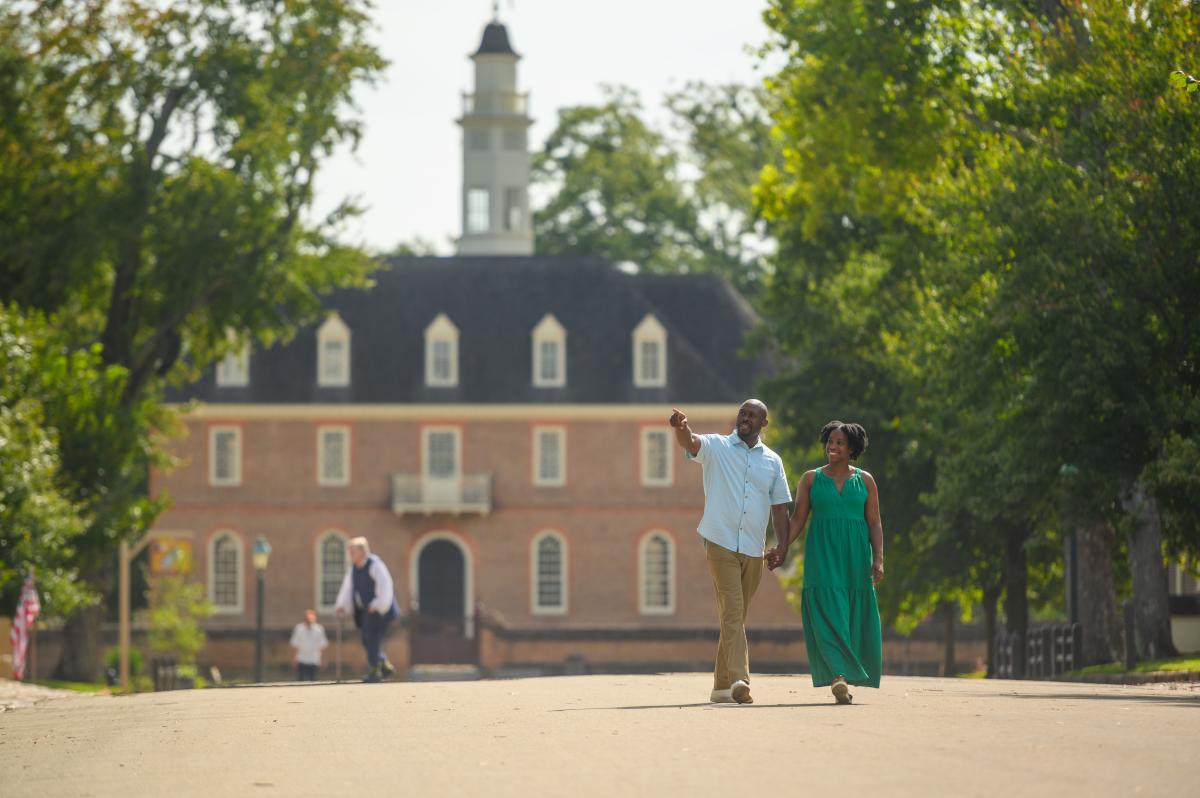
Explore More History & Heritage in Williamsburg
Discover immersive history and heritage across the Williamsburg area, from the former Virginia capital of Williamsburg to North America’s first permanent English settlement in Jamestown to the revolutionary battleground of historic Yorktown.