

Printers & Pamphleteers: 18th-Century Media Moguls
Back to Top of List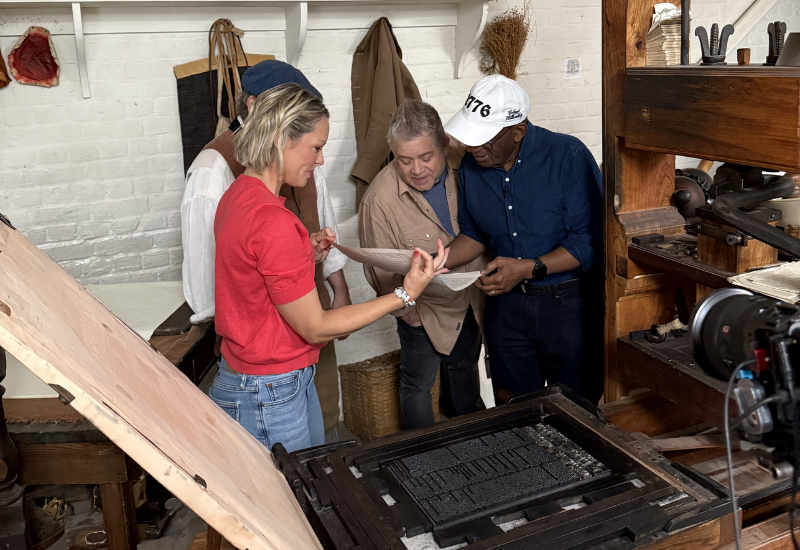
Long before anyone doom-scrolled the news, colonists got their updates from ink-stained broadsheets fresh off the press. In revolutionary Williamsburg, the print shop was the platform, and a handful of publishers controlled the algorithm.
WILLIAM PARKS: Launched the Colony’s First Newspaper
As Virginia’s first public printer, Parks launched the colony’s first newspaper, the Virginia Gazette, in 1736. He built a media monopoly so influential it helped land him a seat as the mayor of Williamsburg — making him both the man who controlled the news and the man who ran the town. It’s the kind of conflict that would trend for weeks today. Want to see where it all started? You can still visit the source: watch printers set type by hand and see the presses run at the 🔺 Printing Office in Colonial Williamsburg.
CLEMENTINA RIND: The Area’s First Female Newspaper Publisher
When her husband died, Rind took over the family business and became Virginia’s first female newspaper printer and publisher. Her biggest scoop: printing Thomas Jefferson’s “A Summary View of the Rights of British America,” the viral op-ed of its day. Her trailblazing story is now regularly told in Colonial Williamsburg’s Historic Area, where Clementina Rind is portrayed by a knowledgeable historical interpreter. Walk past the historic Ludwell-Paradise House on Duke of Gloucester Street to see where she once lived and managed the newspaper — the second Virginia Gazette.
ALEXANDER PURDIE & JOHN DIXON: Rival Printers
These former printing partners turned fierce rivals, along with their competing successors, ran dueling editions of the Virginia Gazette. By 1775, three separate papers shared the same name, all fighting for the same readers. It played out like a colonial-era platform war as each publisher raced to break news on the Stamp Act and the Declaration of Independence. You can view original issues preserved at Colonial Williamsburg’s John D. Rockefeller Jr. Library, where the Virginia Gazette archives are digitized on-site.
Orators & Statesmen: America’s First Thought Leaders
Back to Top of List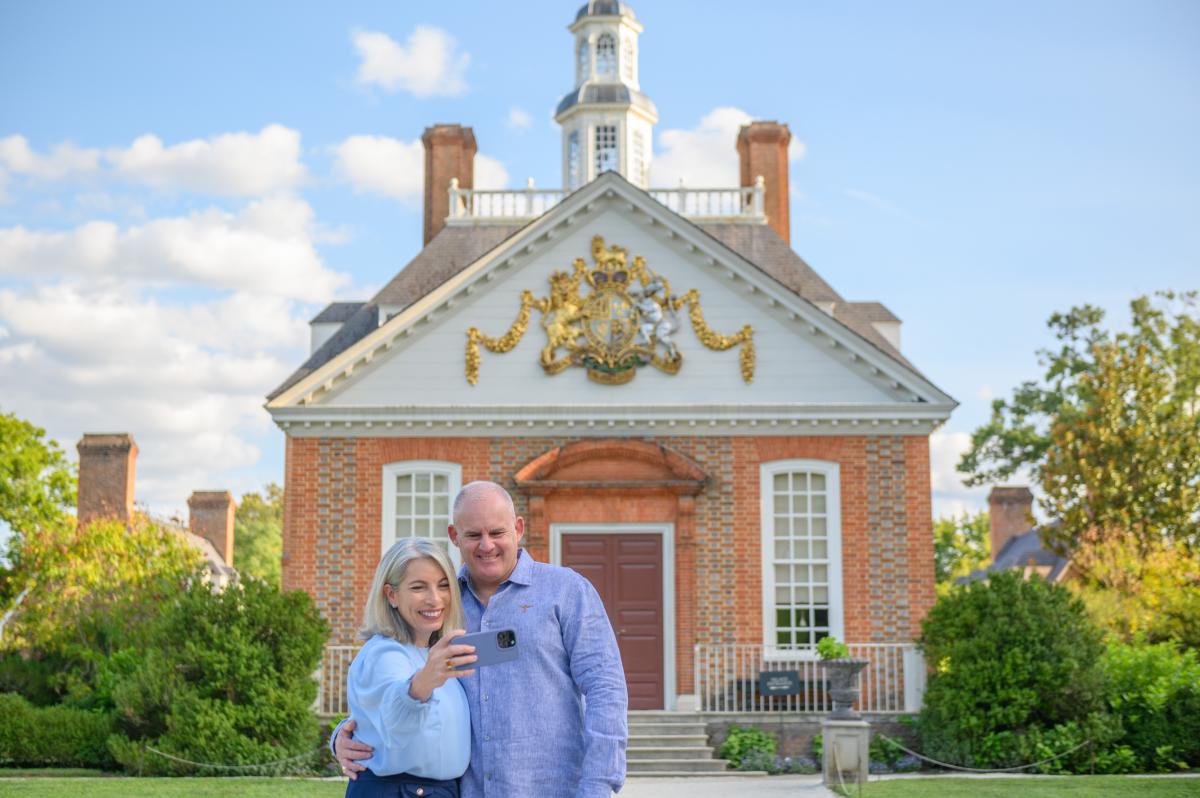
Every generation has its thought leaders whose speeches and essays go viral. In colonial Virginia, standing in front of a packed room with an unvarnished argument was the quickest way to influence your audience.
PATRICK HENRY: “Give Me Liberty, or Give Me Death!”
Henry’s fiery anti-Stamp Act speech in the House of Burgesses was the kind of soundbite that would’ve broken the internet. After declaring that only Virginia’s assembly had the right to tax its citizens, the room erupted and the ripple effects spread far beyond Williamsburg. Bold, unfiltered, and impossible to ignore, it’s exactly the sort of moment that turned quiet dissent into public action. Catch historical interpreters reenacting his passionate speeches at the Capitol Building in Colonial Williamsburg’s Historic Area.
THOMAS JEFFERSON: Visionary Founding Father
Call him the era’s most talked-about think-piece writer. His 1774 pamphlet, “A Summary View of the Rights of British America,” set the tone for the colonies’ intellectual break from the Crown — equal parts legal argument and rally cry. Walk the halls where his ideas took shape at the 🔺 Governor’s Palace and the historic Wren Building at William & Mary.
Tavern Keepers: The Original Community Managers
Back to Top of List
Before online forums and community groups existed, taverns were the original social networks. They served as physical spaces where news spread by word-of-mouth over hot meals and local ale.
JANE VOBE: Pioneering Tavern Keeper
As owner of the 🔺King’s Arms Tavern — where you can still dine today — Vobe ran what amounted to a real-world networking platform, where merchants, planters, and patriots swapped news and opinions over dinner and drinks. It was word-of-mouth marketing at its best, and the dining room is still open for business, serving up favorites from the day. Savor colonial recipes like peanut soup and chicken hash that blend historical authenticity with contemporary culinary fare. With restaurant staff dressed in period attire and candlestick ambiance, you’ll feel like you’ve been transported straight to Colonial Williamsburg’s historic heyday.
Preachers: Grassroots Organizers
Back to Top of List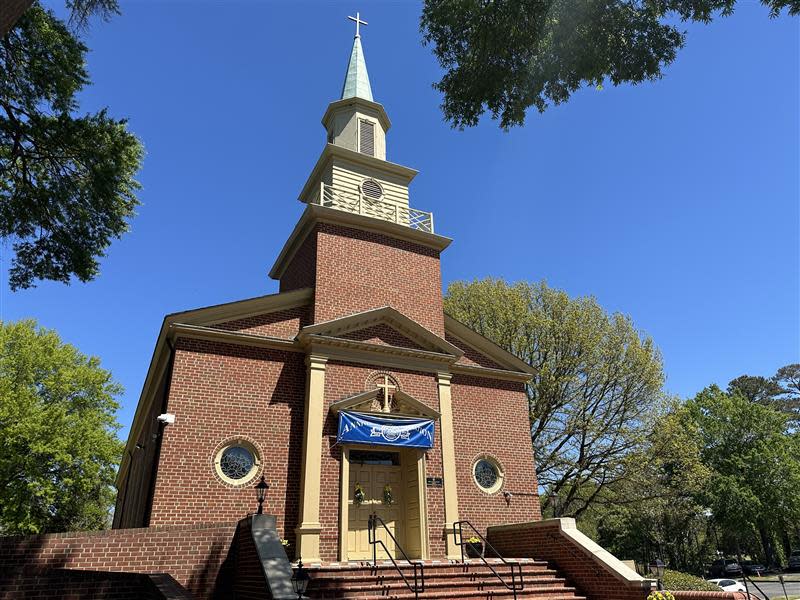
True influence isn't just about broadcasting a message — it’s about assembling an audience around a shared purpose, often against formidable odds.
GOWAN PAMPHLET: A Divine Cause
A true grassroots activist, Pamphlet was a formerly enslaved man who became one of the first ordained Black preachers in America. He built a following of hundreds through unauthorized outdoor sermons, all while enslaved, before helping to establish what is now Williamsburg’s revered 🔺 First Baptist Church — one of the oldest Black churches in the country. Explore his legacy further by visiting the First Baptist Church historic site, where an active archaeology and reconstruction initiative is uncovering the congregation’s original foundation.