

The capital of the Virginia Colony from 1699 to 1780, Williamsburg is full of revolutionary heritage and peaceful natural settings that contain countless surprises beyond the well-known landmarks. This hub of America’s Historic Triangle reveals itself in subtle ways, from serene green spaces to under-the-radar sites bursting with significance and character.
Whether you’re drawn to interesting bits of American history, scenic landscapes, or local flavors, these hidden gems offer you a chance to wander intently and discover a deeper side of Williamsburg.
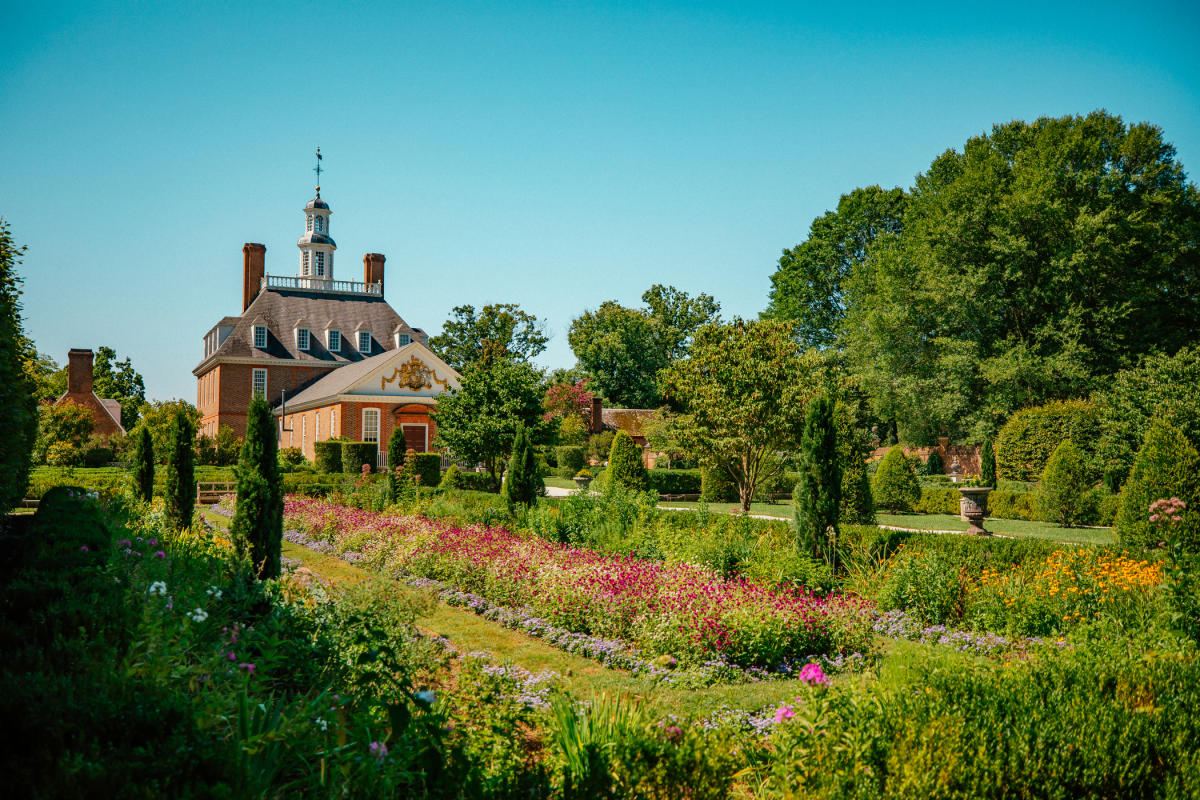
#1: The Hedge Maze Behind the Governor’s Palace
Tucked behind the 🔺Governor's Palace in Colonial Williamsburg, the captivating hedge maze is a playful yet elegant garden feature made of intricate boxwood pathways. Evoking fairytales and folklore, the maze invites you to get delightfully lost in this living labyrinth. Afterward, stroll the Palace’s gardens to admire the flowers and greenery inspired by European design traditions. Inside the Palace, take a tour to hear the stories behind the hall of weapons and learn about the symbolism of the crown-topped gates. See more Governor’s Palace highlights.
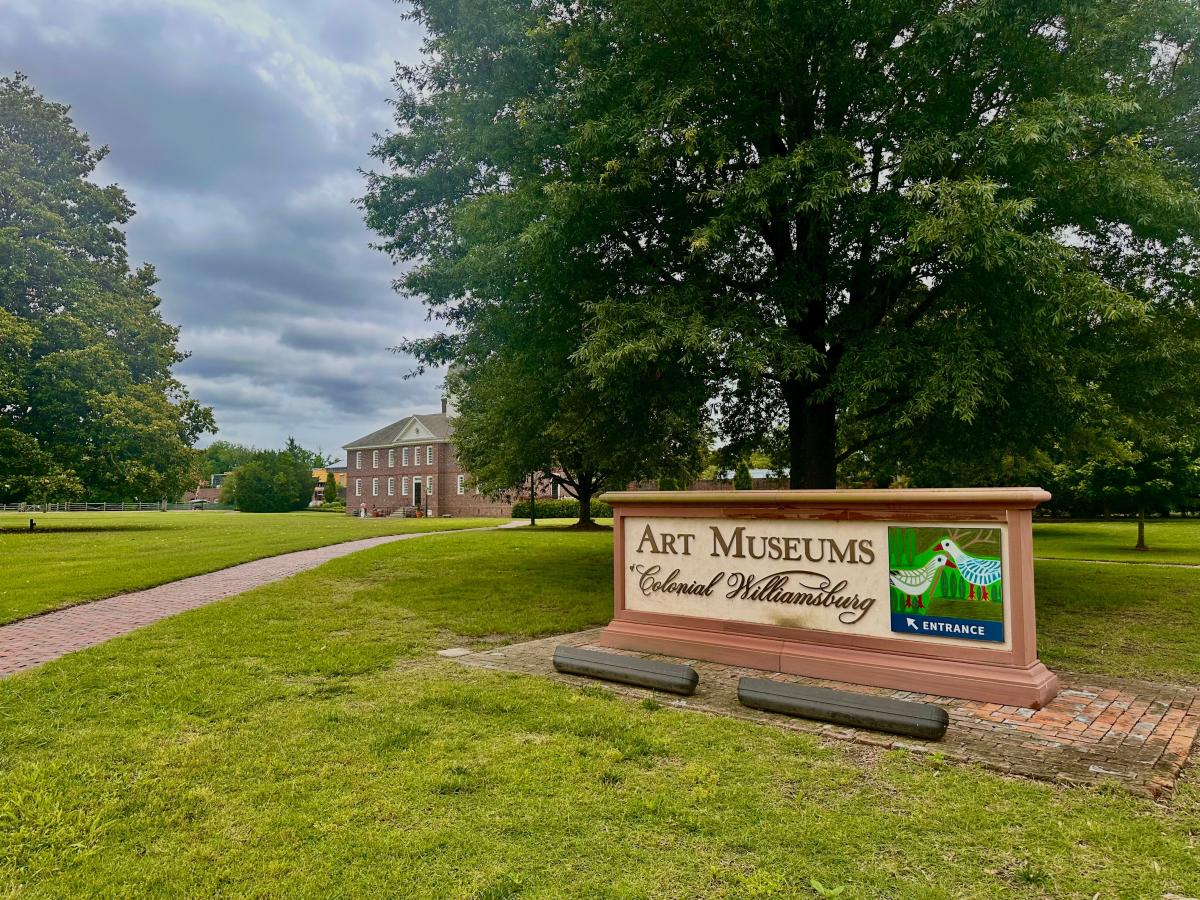
#2: An Iconic Portrait of George Washington
At the 🔺Art Museums of Colonial Williamsburg, see one of the most important images of George Washington from the Revolutionary era. The life-sized portrait is considered a cornerstone of American portraiture and a highlight of the museum’s collection. Artist Charles Willson Peale was a prominent American painter, military officer, and naturalist who also painted portraits of Thomas Jefferson, Ben Franklin, and other revolutionary figures.
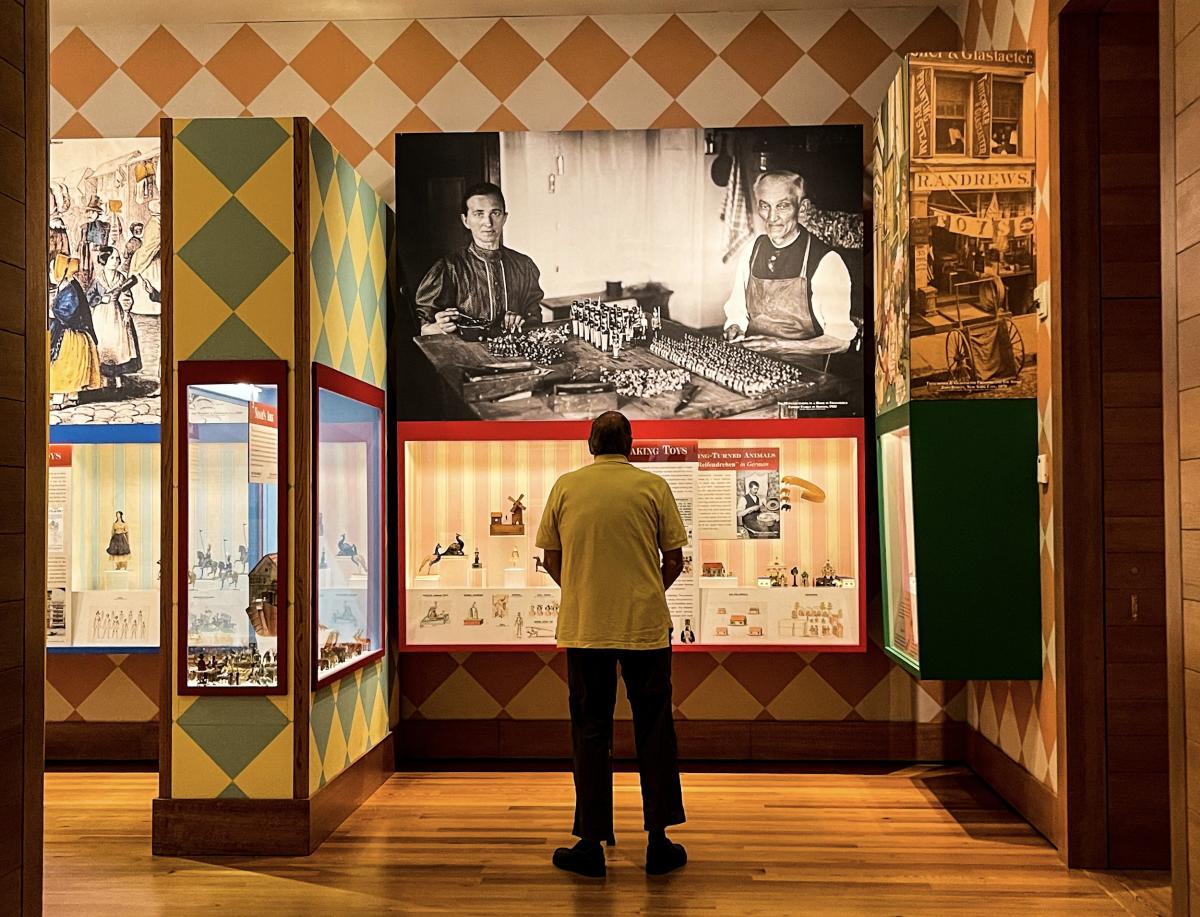
#3: Bassett Hall: Home of the Rockefellers
Just south of Francis Street, historic Bassett Hall was home to John D. Rockefeller Jr. and wife Abby Aldrich Rockefeller. Step inside to glimpse the private world of this American power couple whose vision helped restore Williamsburg. Built between 1753 and 1766 and home to the Rockefellers from 1936 to 1948, the house features pieces from Mrs. Rockefeller’s folk art collection—art that would inspire the 🔺Abby Aldrich Rockefeller Folk Art Museum
#4: Champion Trees
The Colonial Williamsburg Arboretum features 25 period species of oak trees, eight Virginia State Champion Trees and two National Champion “Big Trees” all clustered around the Historic Area. Take the one-hour Old and Remarkable Trees Tour to see and learn about some of the area’s oldest and most impressive trees—like the Compton Oak, which reaches 70 feet tall with a trunk circumference of 14 feet. The Historic Area is also home to more than 30 gardens, from grand formal gardens to intimate backyard pleasure gardens. Explore Williamsburg gardens
#5: Birding on the Bassett Trace Nature Trail
A quiet haven in the heart of Colonial Williamsburg, the Bassett Trace Nature Trail offers an easy escape into nature, just east of the Griffin Hotel. Stroll through 1.4 miles of serene woodlands on this self-guided trail, where vibrant native plants flourish and over 40 bird species make seasonal appearances. Ideal for nature lovers and birdwatchers alike, this hidden gem invites you to slow down and soak in the sights and sounds of the forest.
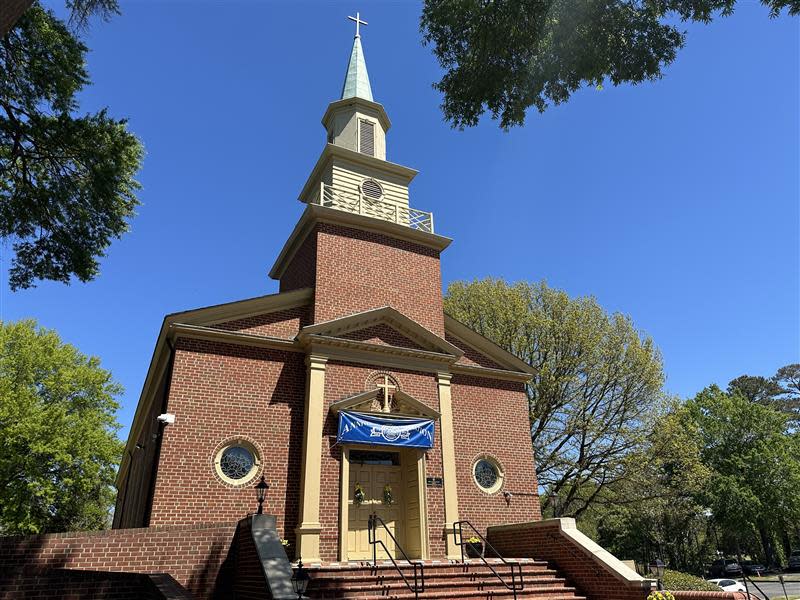
#6: The Historic First Baptist Church
Tracing its origins to 1776, the 🔺Historic First Baptist Church on Scotland Street is home to one of the oldest continuous congregations organized by African Americans. It was established by a group of enslaved and free Black people who gathered secretly in song and prayer. The resilient congregation grew over the centuries, moving from meeting places to church buildings. In Colonial Williamsburg, you can see the site of the African Baptist Meeting House and Burial Ground, the church’s original permanent location.
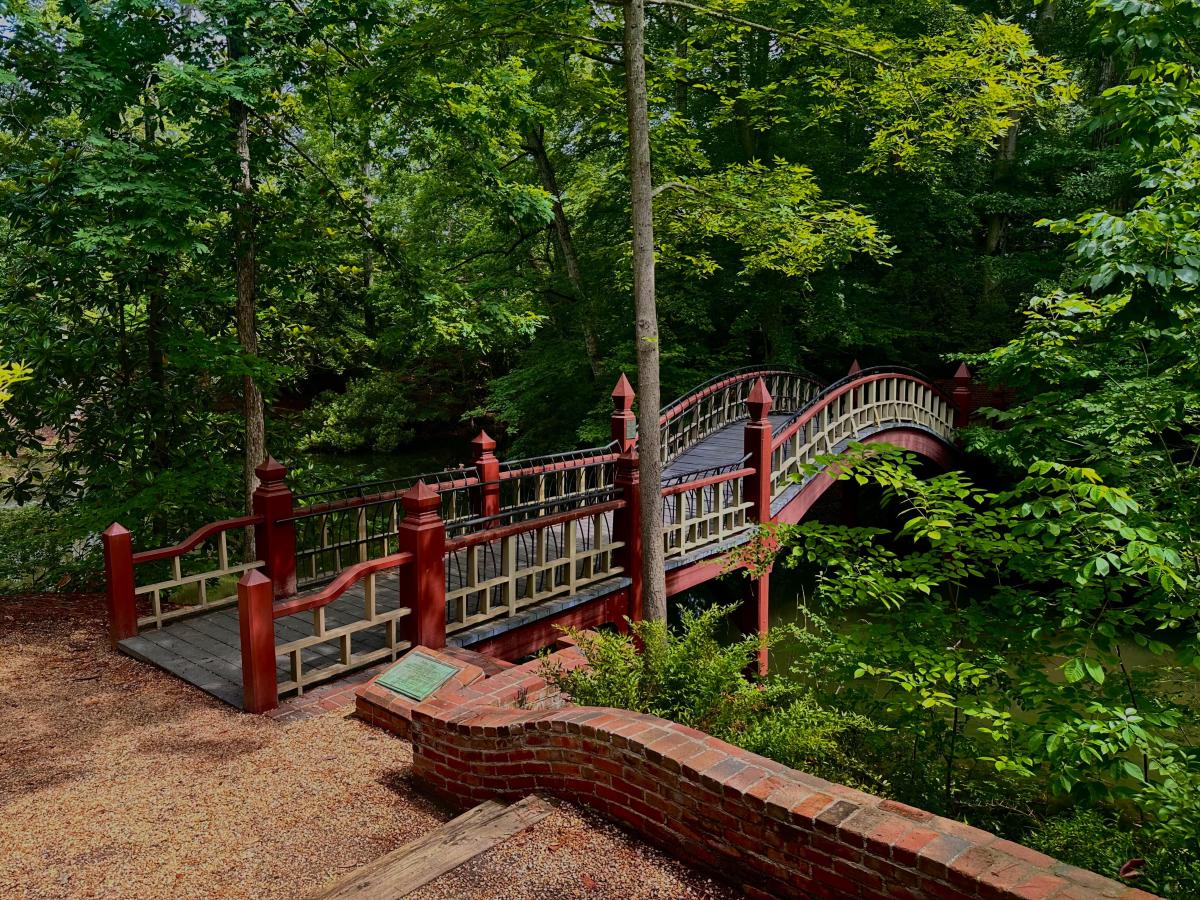
#7: The Crim Dell Bridge
Bordering Colonial Williamsburg, William & Mary is America’s second-oldest institution of higher learning. Visit the most photographed (and most romantic) spot on campus—🔺the Crim Dell Bridge. Local lore has it that if two people cross the bridge while holding hands, they’ll be lifelong friends, and if they kiss, they’ll be lifelong lovers. Built in 1966, the red-and-white bridge spans a lily pond between the old and new campuses. In the spring, azaleas and camellias bloom as graduates cross the bridge during Commencement.
Also on campus, visit the Muscarelle Museum of Art, whose permanent collection of nearly 8,000 objects is one of the oldest campus-based collections of art in the country. See the top things to do on the William & Mary campus
Explore More
For the full experience, from local secrets to famous favorites, explore more things to do in Williamsburg.
Seeking more discoveries off the beaten path? Find more hidden gems in Jamestown and Yorktown.